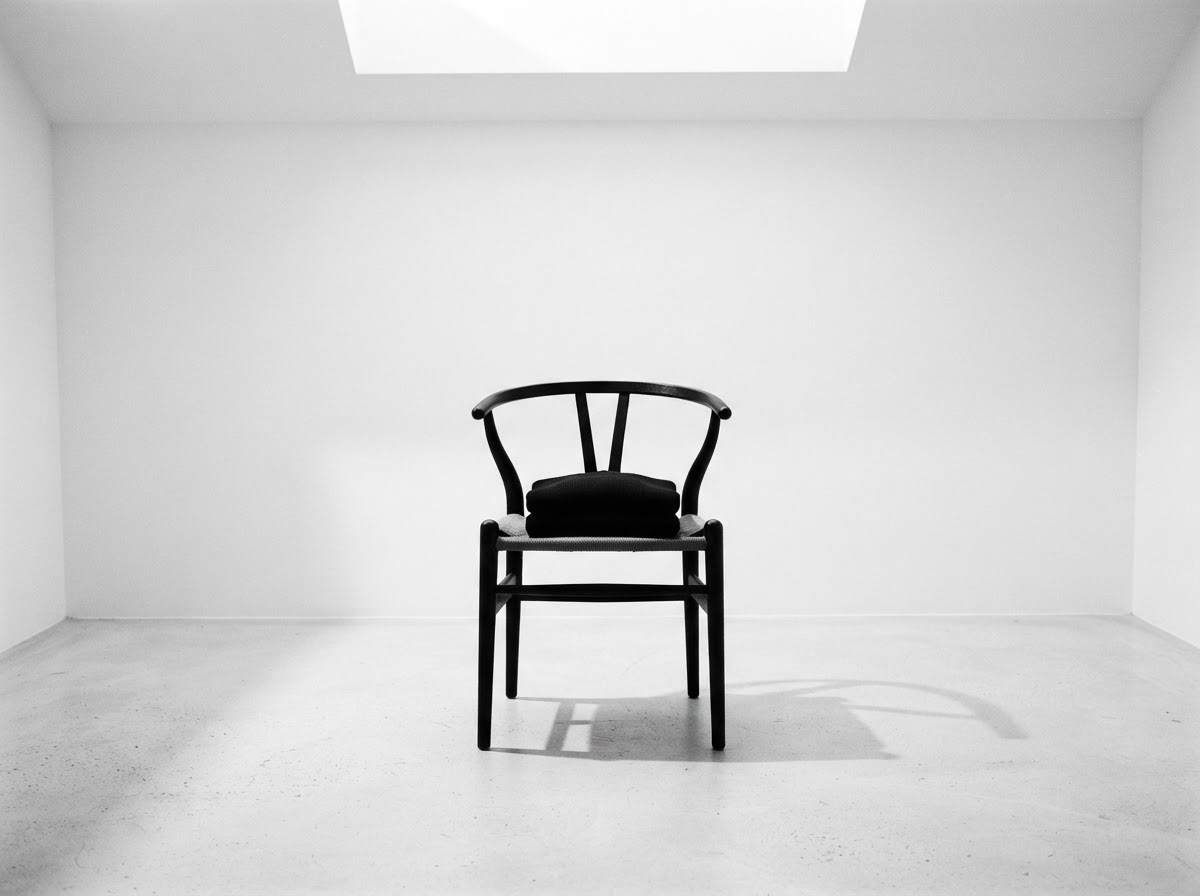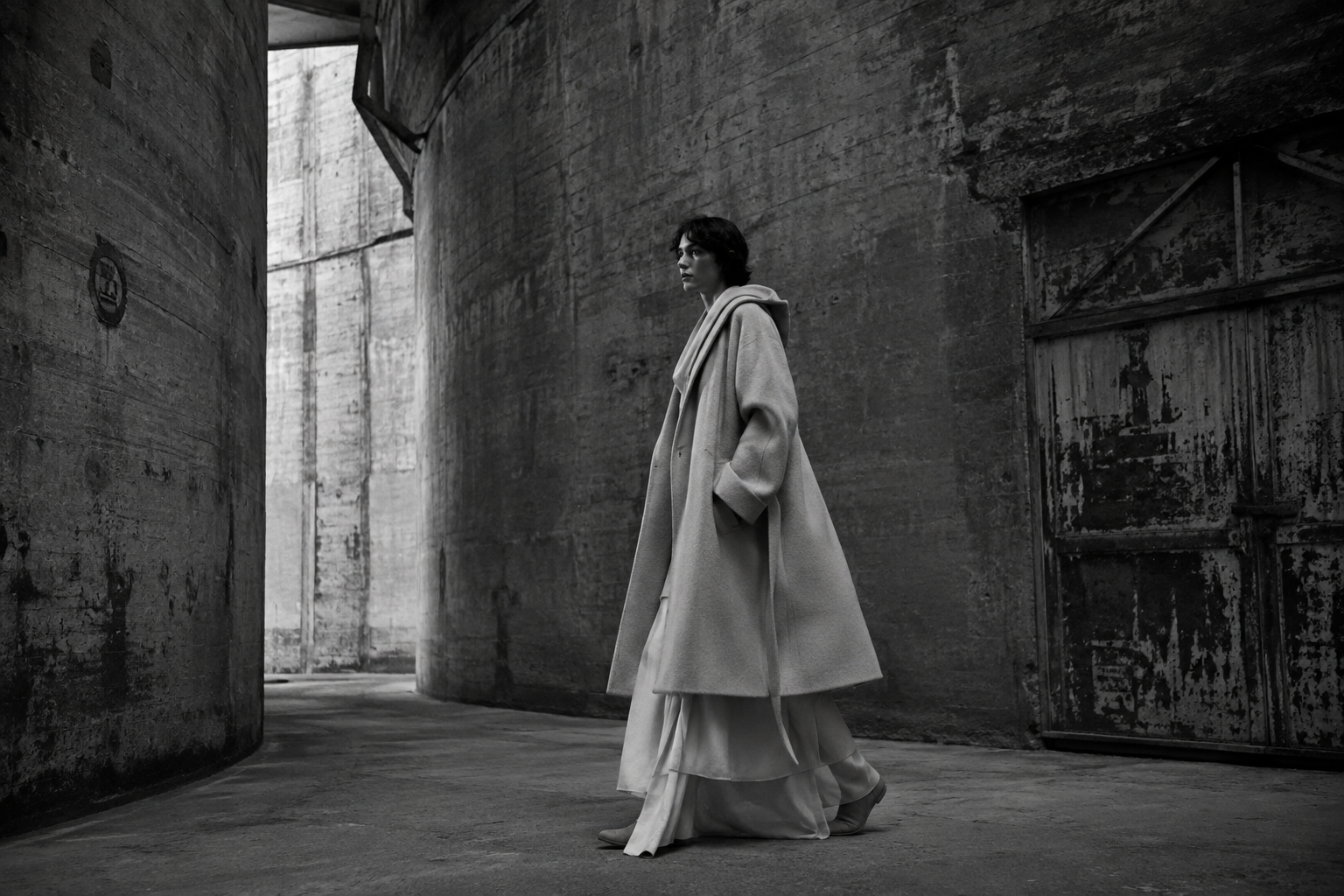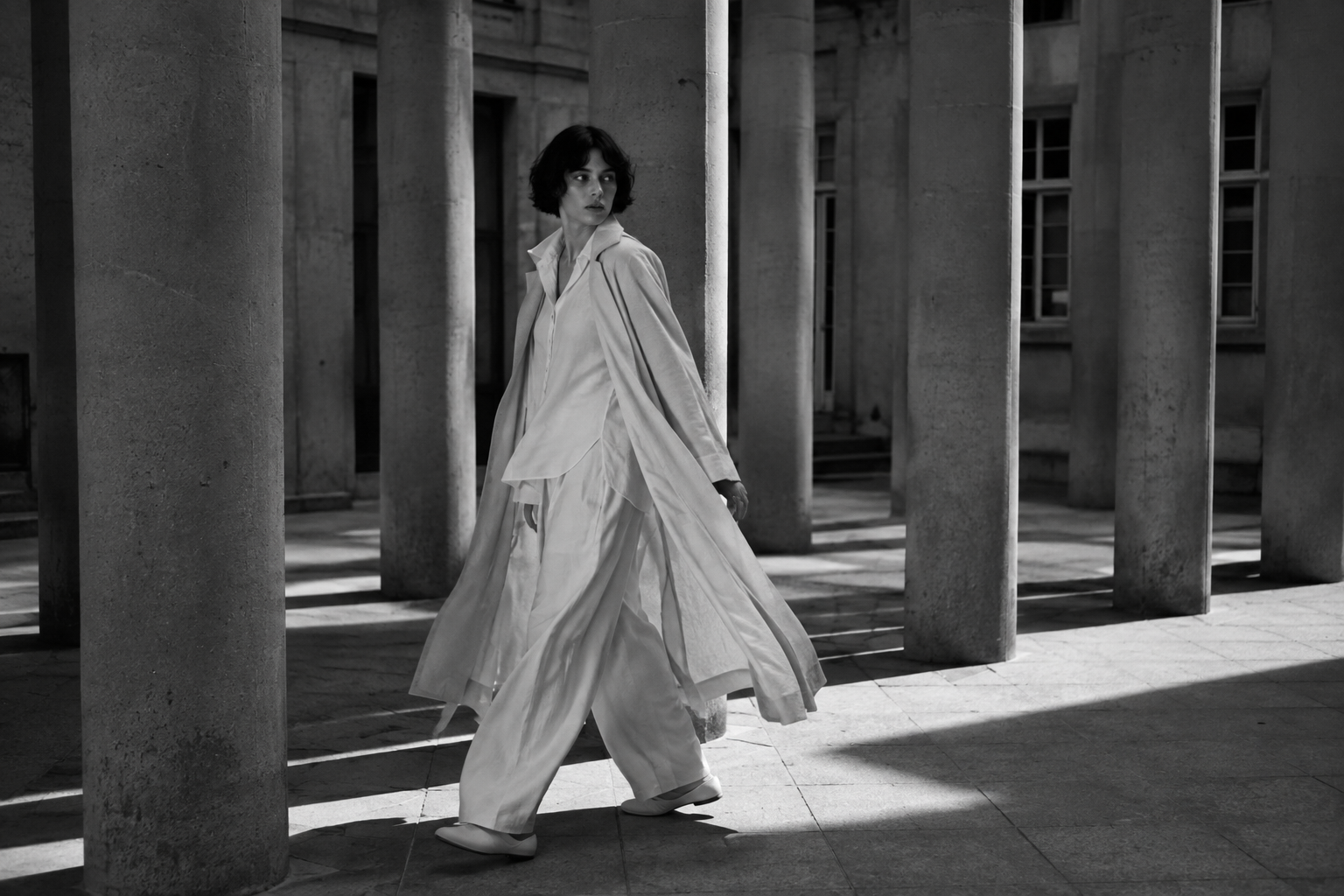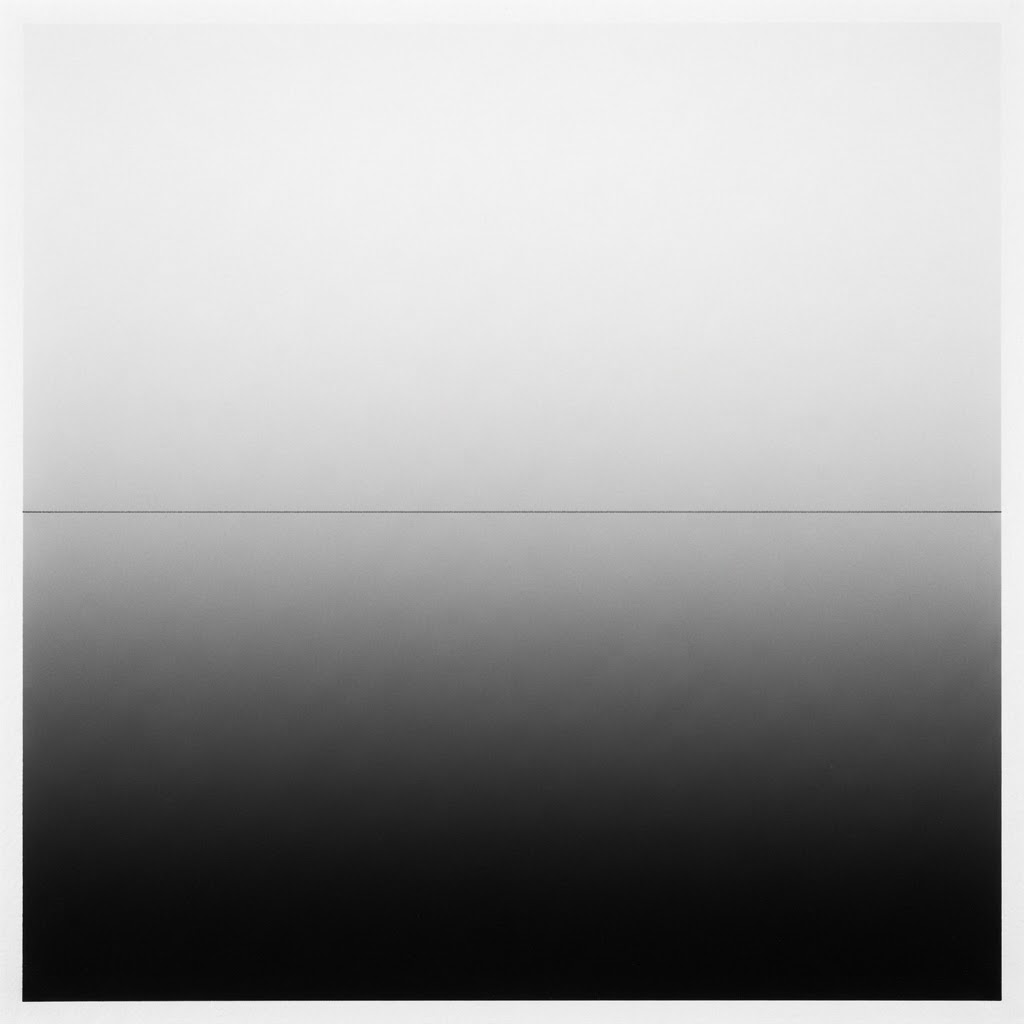
Copenhagen has a grey that belongs to no other city. It is not the grey of London, which carries moisture and weight. It is not the grey of Berlin, which carries history. Copenhagen's grey is spatial — it describes the distance between things, the interval between a cloud and the ground it has not yet reached.
I thought about this grey often while writing about Monograph's first three seasons. The label's founder, Astrid Vinter, trained as an architect at the Royal Danish Academy before turning to fashion, and her work carries that training not in its silhouette but in its understanding of space. A Monograph garment does not clothe the body so much as create a space around it — a grey interval, if you will, between skin and world.
"Architecture taught me that the important thing is not the wall but the room," Vinter explained when I visited the atelier. "Fashion thinks it's about the fabric. I think it's about the air between the fabric and the body."
This spatial sensibility manifests most clearly in Monograph's use of grey itself. Where most designers treat grey as a compromise between black and white, Vinter treats it as a third term — a colour with its own temperature, its own weight, its own way of holding light.
The result is a body of work that resists the usual vocabulary of fashion criticism. These are not garments that "pop" or "make a statement." They are garments that create conditions — for stillness, for attention, for the particular quality of presence that Copenhagen's grey light makes possible.